




Big Impact, Small Budgets: Getting Weird for the Win(s)
There’s a shift happening in travel right now and it’s forcing travel marketers to get unconventional in their thinking.
Travelers are thinking more intentionally about where they go. With rising costs and busier lives, every trip carries a simple question: “Is this going to be worth it?” Not just financially. Emotionally. Experientially. Memorably. That’s not just instinct, it’s showing up in the data. Expedia Group’s 2024 Traveler Value Index, shows us that over 90% of travelers say experiences are the most important part of a trip, and a majority are willing to spend more on travel if it feels meaningful.
And on the other side of the equation, travel marketers are asking a version of that same question: “How do we make our work go further?” Budgets are being scrutinized. Expectations are rising. But instead of seeing this as a constraint, there’s an opportunity here. Because when “more” isn’t guaranteed, better ideas become the advantage.
The Value Equation Has Changed
For travelers, value is no longer about getting the cheapest deal. It’s about getting the most meaningful experience. McKinsey & Company shows us that younger travelers in particular are prioritizing experiences over cost, with a growing willingness to trade down in other categories to spend more on travel and experiences. And for marketers, value isn’t about how much you spend. It’s about how much impact your idea creates.
The most exciting part? Some of the most effective travel campaigns in recent years haven’t come from the biggest budgets. They’ve come from simple, unexpected ideas that people genuinely want to engage with and share.
So instead of looking at unconventional ideas and thinking “we could never do that,” the better reaction is: “What can we learn from this?”
We pulled together a few of our favorites to inspire you as we face uncertain times in the travel marketing industry. We hope this proves that when the idea is right, the execution doesn’t need to be complex.
A Few Campaigns Worth Exploring (and Stealing From, Strategically)
Airbnb: Turning Stays Into Cultural Moments
- The campaign: Instead of promoting places to stay, Airbnb created “Icons” — immersive, limited-time experiences where guests can stay inside culturally iconic worlds, from the Barbie Dreamhouse to other fantasy-driven environments.
- Why we love it: It’s unexpected. It’s culturally tapped in. And it blurs the line between travel and entertainment.
- Why it works: It turns travel into participation in culture. You’re not just booking a place, you’re stepping into a story people already care about.
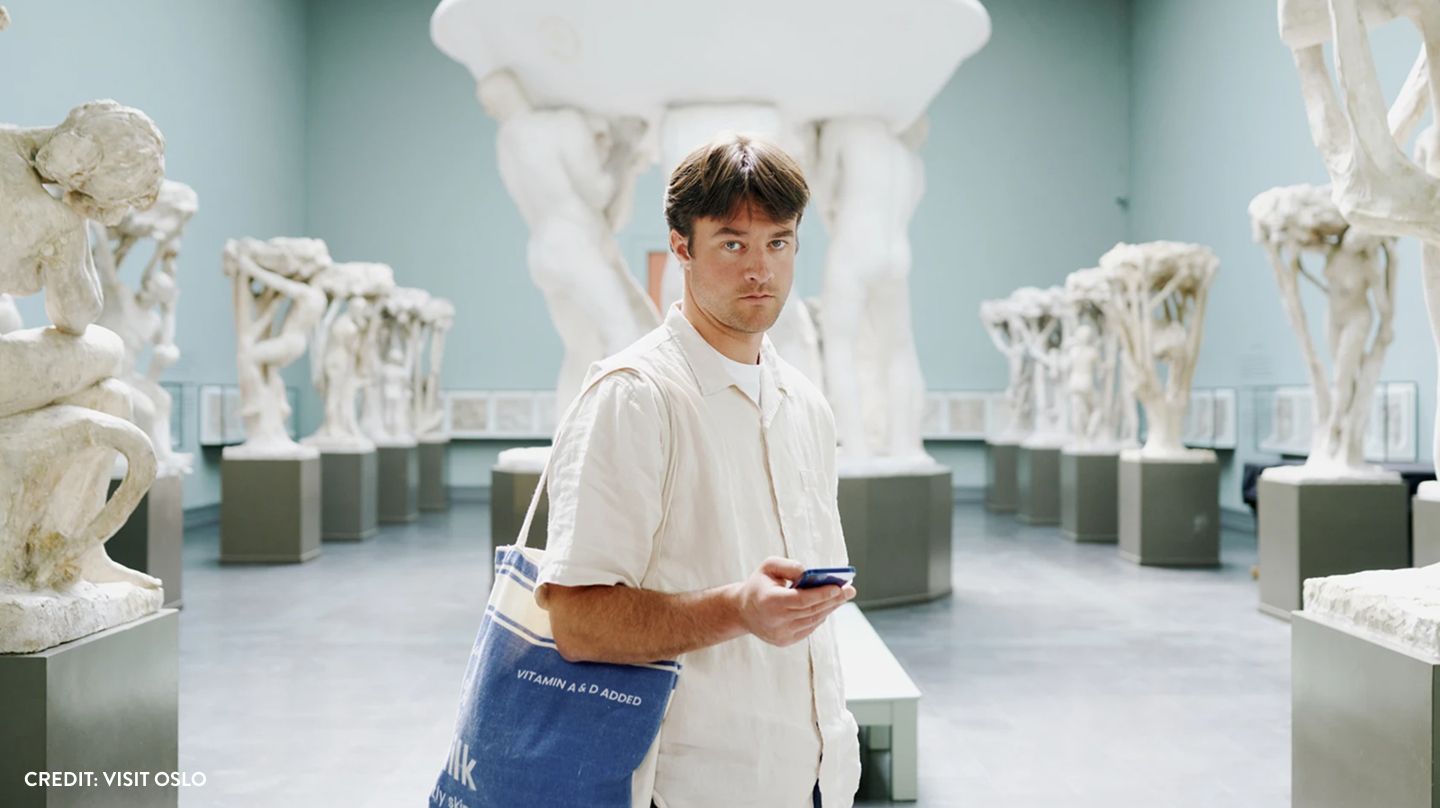
Visit Oslo: Making “Boring” the Most Interesting Thing About It
- The campaign: Instead of trying to sell Oslo as an exciting, must-see destination, the campaign leans into the opposite — calling it quiet, simple, and even a little underwhelming.
- Why we love it: It’s dry. It’s self-aware. And it completely breaks from traditional tourism messaging.
- Why it works: It builds trust through honesty. By not trying to be everything to everyone, it becomes far more interesting to the right audience.
And here are some oldies, but goodies that we can still look to for inspiration:
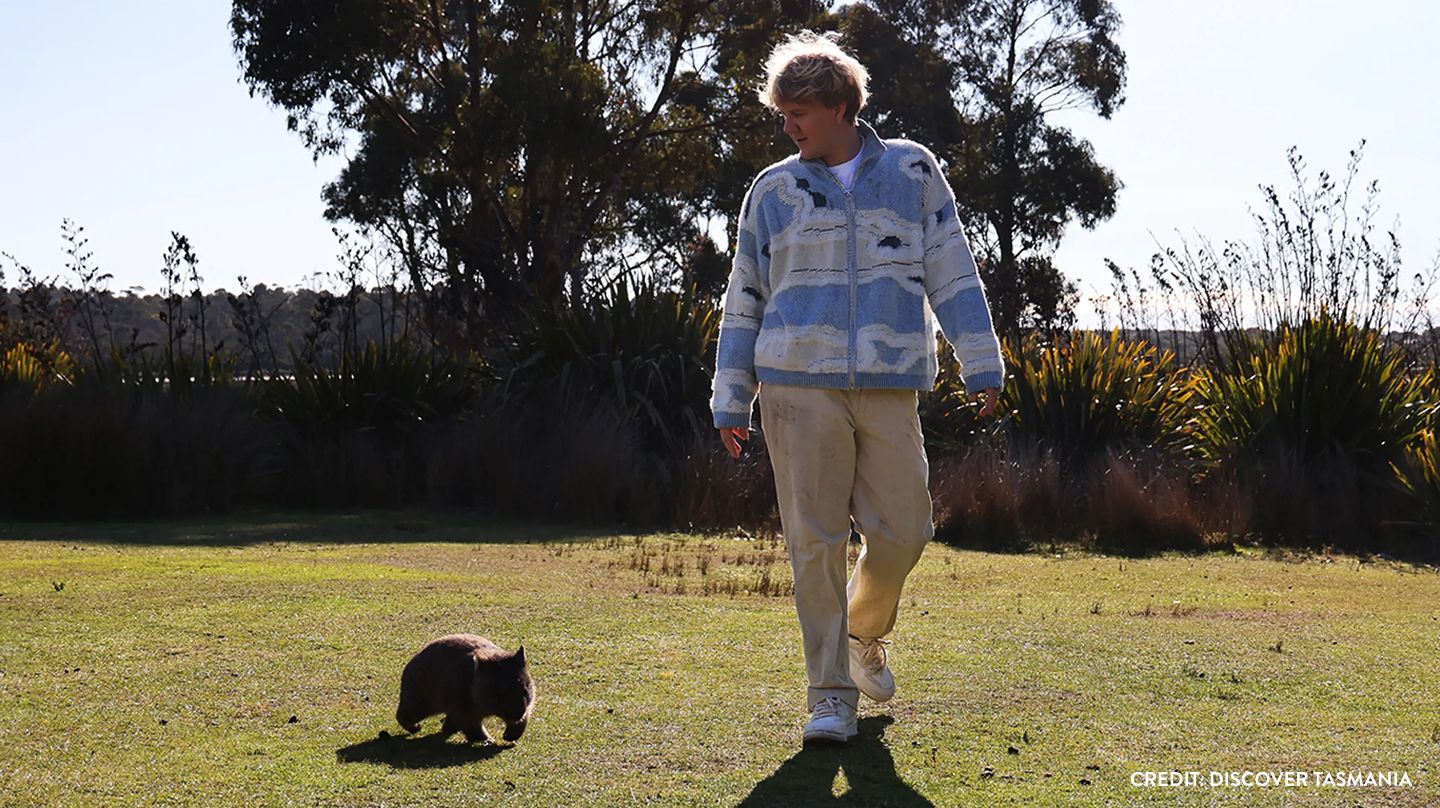
Tasmania: Turning Job Listings Into a Global Invitation
- The campaign: Instead of a traditional tourism campaign, Tasmania posted listings for roles like wombat walker and oyster organizer.
- Why we love it: It’s playful. It’s weird. And it instantly makes you want to learn more.
- Why it works: It turns curiosity into participation. You’re not just seeing Tasmania, you’re imagining yourself there.
Faroe Islands: Letting the World Explore Remotely
- The campaign: When travel was limited, the Faroe Islands invited people to explore in real time by controlling a local guide via livestream.
- Why we love it: No massive production. No glossy campaign film.
- Why it works: It transforms a barrier into an experience and gives people something to actively engage with.
Sweden: Connecting You to a Random Local
- The campaign: Sweden created a phone number that connects you to a random citizen.
- Why we love it: No script. No polish. Just a real conversation.
- Why it works: It makes the destination feel human in a way traditional advertising rarely can.
Finland: Learning Happiness From Locals
- The campaign: Finland invited travelers to stay with locals who would teach them how to experience Finnish happiness.
- Why we love it: It’s quirky. It’s fun. It’s ownable to the Finland vibe.
- Why it works: It turns a brand truth into something tangible and personal.
What These Ideas Have in Common
These campaigns are all very different, but they share a few traits that are increasingly defining what works.
- The Idea Is the Engine: The concept itself drives attention, not just the media behind it.
- Participation Beats Passive Viewing: People want to engage, not just observe.
- Simplicity Scales: The more intuitive the idea, the easier it spreads.
- Authenticity Wins: In a sea of polished sameness, real stands out.
Where This Leaves Us
Travelers are putting more thought into how they spend their time and money. They’re not just looking for a trip. They’re looking for something that feels worth it. That same mindset is an opportunity for marketers. Not to spend more. Not to say more. But to mean more. Because the brands that will stand out in this environment won’t be the ones with the biggest budgets. They’ll be the ones with the clearest point of view. The ones willing to be a little unexpected.
The ones that understand a simple truth: A great idea doesn’t just capture attention. It earns it.