
From A Conversation To An Original Music Track
Collaborating With An Entire City
Flipping the Record
The ask wasn’t to give Baltimore a new story. It was to set the record straight.
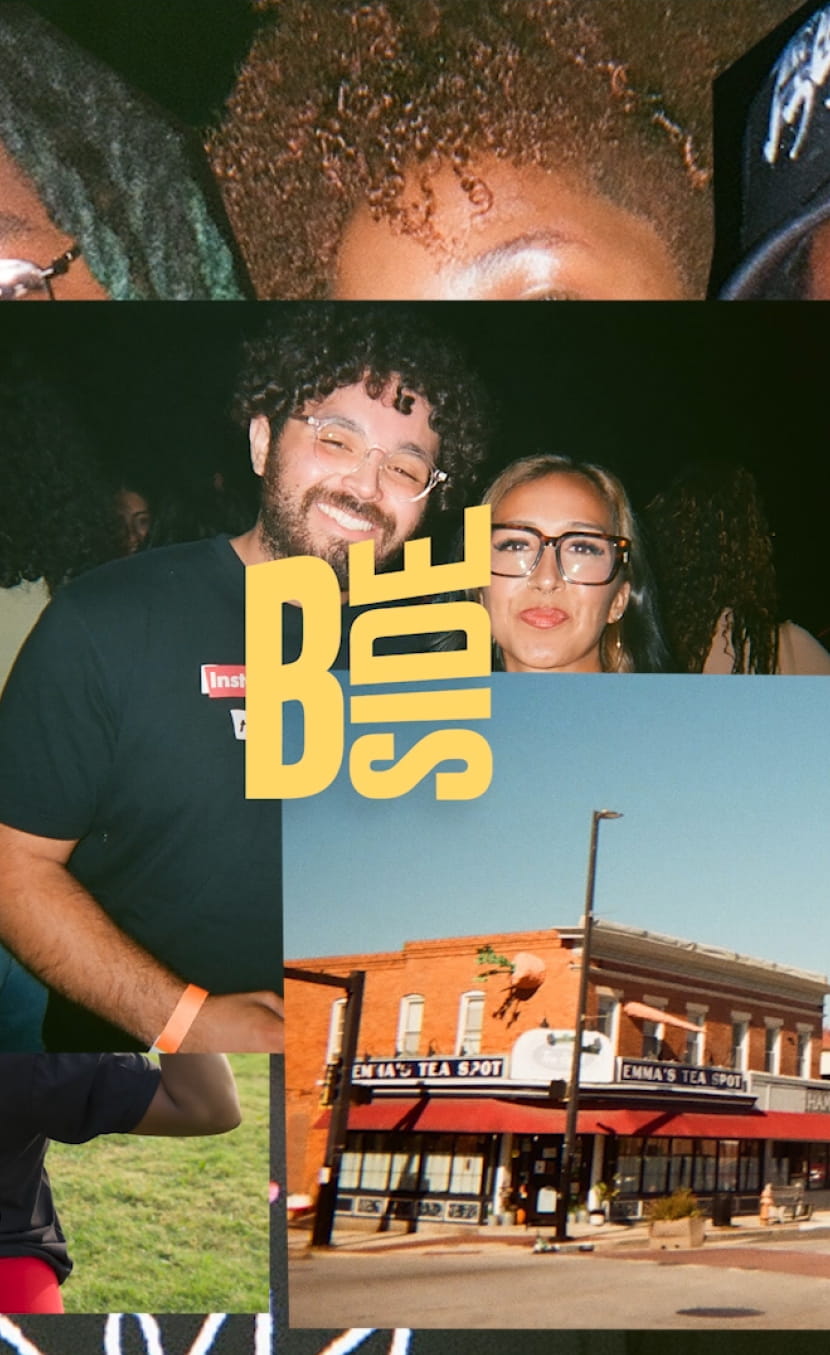
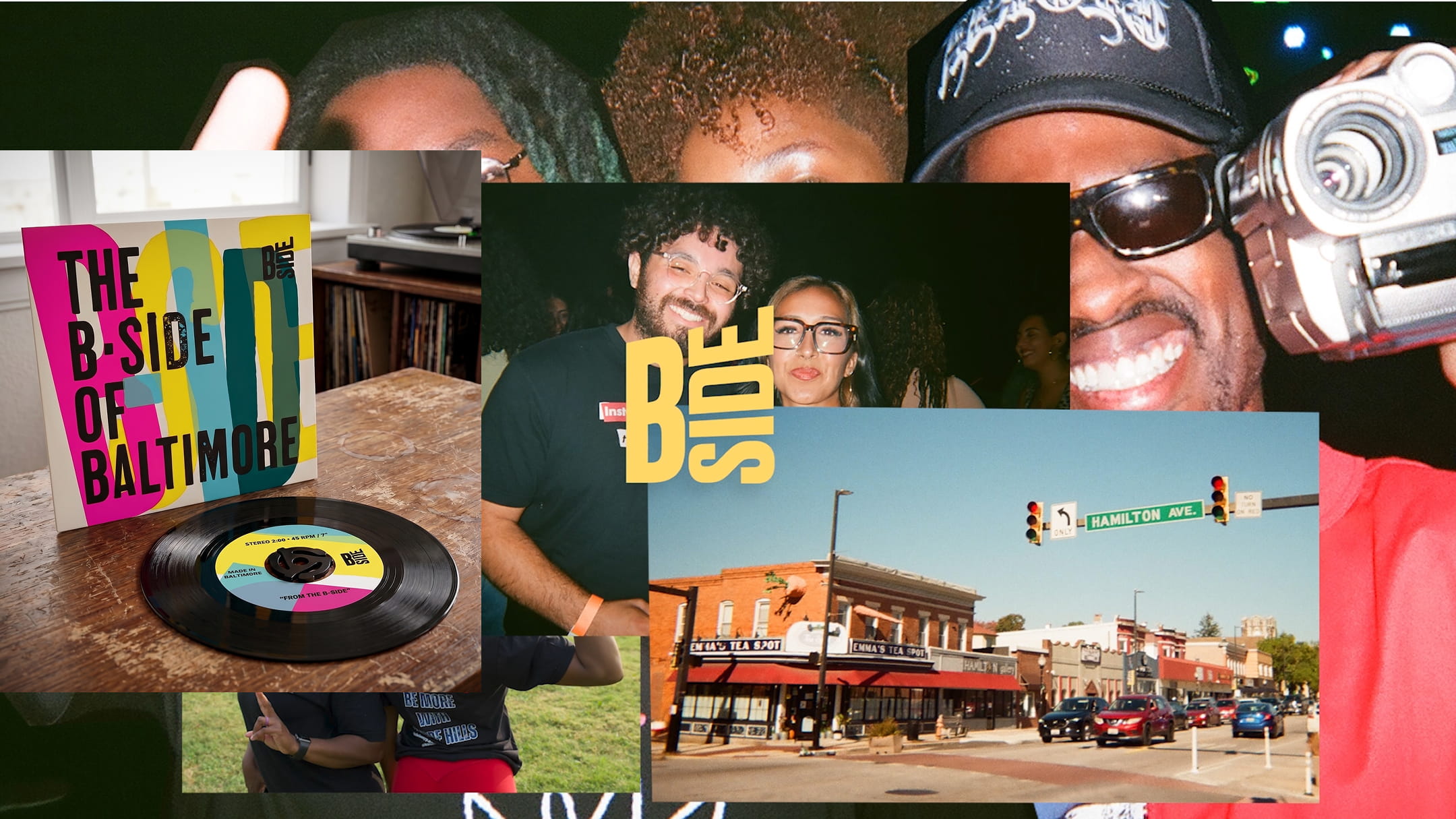
This idea became The B-Side of Baltimore, a simple but powerful metaphor rooted in how people already experience the city.
Every place has a side that gets played on repeat. The version outsiders think they know. The headlines, assumptions and familiar narratives that flatten something much more complex. But Baltimore has always had another side. The side you hear in its neighborhoods, its music, its food, its artists, its stoops, its blocks and the people who love it without needing to explain why.
That was the insight behind the campaign. Regional pride wasn’t something we needed to manufacture. It was already there, just waiting for a different way to be heard.
So instead of telling people what Baltimore is, The B-Side of Baltimore invited locals to flip the record and amplify the sounds, stories and spirit of the city they know best.
An Idea Born From a Conversation
The idea of giving Baltimore a literal sound didn’t start in a brief. It started in a conversation.
In January 2025, Nick Wood Music came to SPARK’s offices for a casual meet-and-greet with a fellow Worldwide Partners agency. As they shared their approach to music rooted in emotion and culture, the conversation naturally turned to Baltimore.
“If we hadn’t taken that first meeting, this campaign wouldn’t exist. It really was that simple.” —Dulani Porter, SPARK
SPARK had been wrestling with a familiar frustration: no stock track ever felt quite right. Everything sounded close, but not like the city. That’s when the idea clicked. Maybe Baltimore didn’t need a track found for it. Maybe it needed one created from within it.
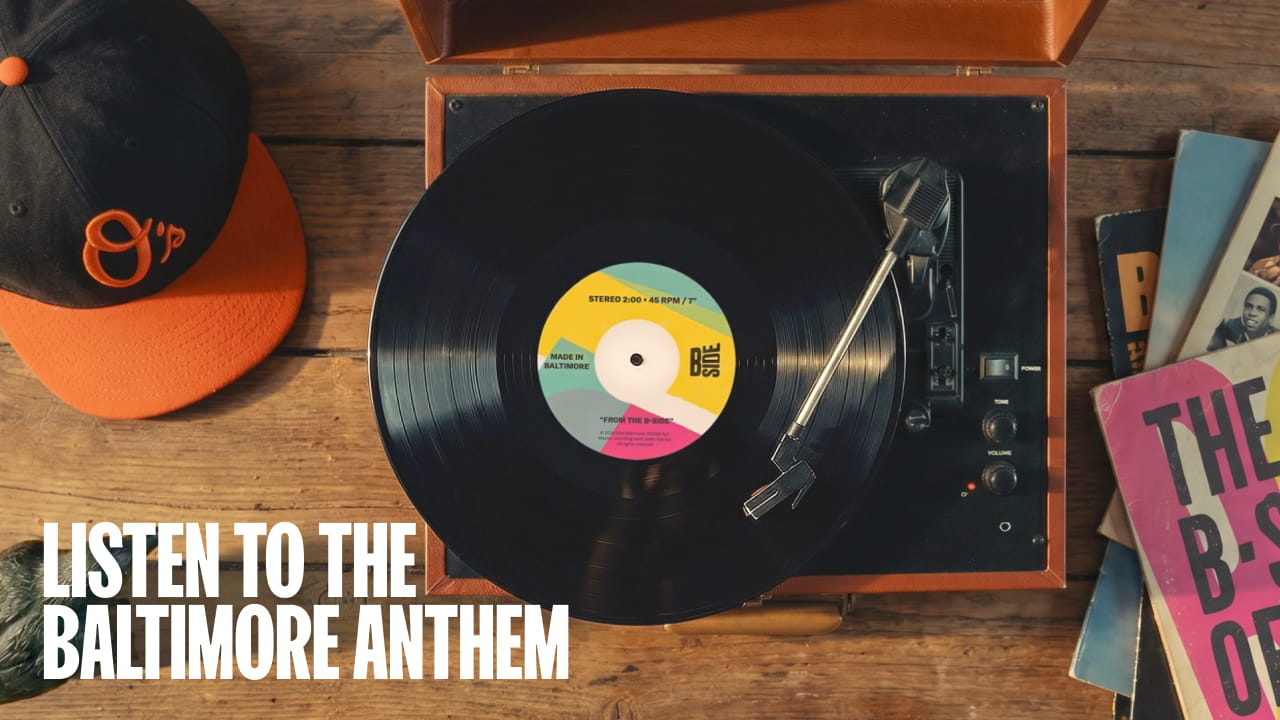
And when Visit Baltimore’s regional pride campaign took shape, that what-if became the center of the work: an original track created with local artists, layered with field recordings from across the city and pressed onto a record people could hear, hold and claim as their own.
“This wasn’t about finding the right song. It was about letting the city write its own.” —Michael Higgins, SPARK
Designing a Process Without a Blueprint
This kind of idea only works when there’s trust. After more than three years of partnership, SPARK and Visit Baltimore had built the kind of foundation that made it possible to bring in Nick Wood Music and step into something unfamiliar.
There was no stock track to approve. No familiar production path to follow. We weren’t commissioning a song. We were building a process.
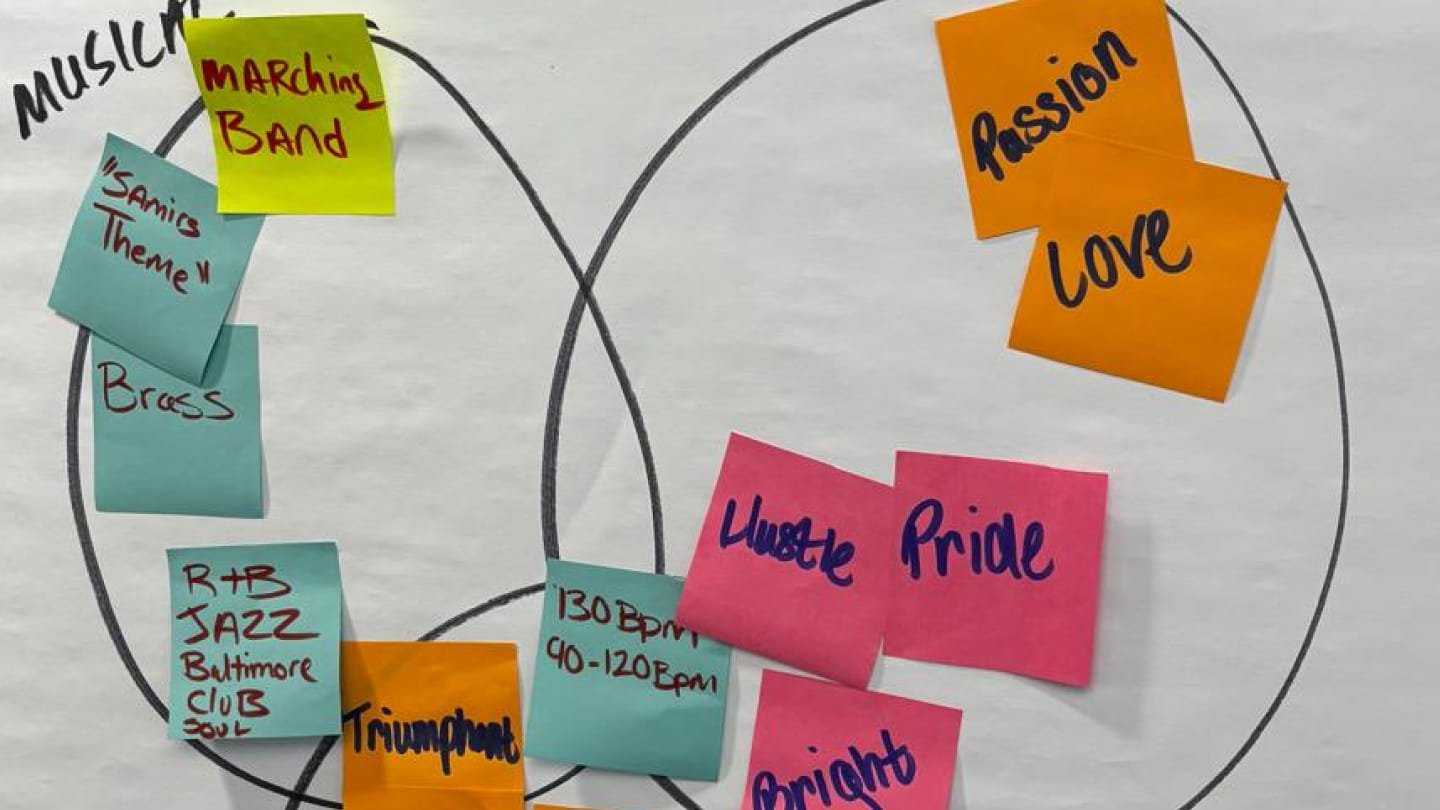
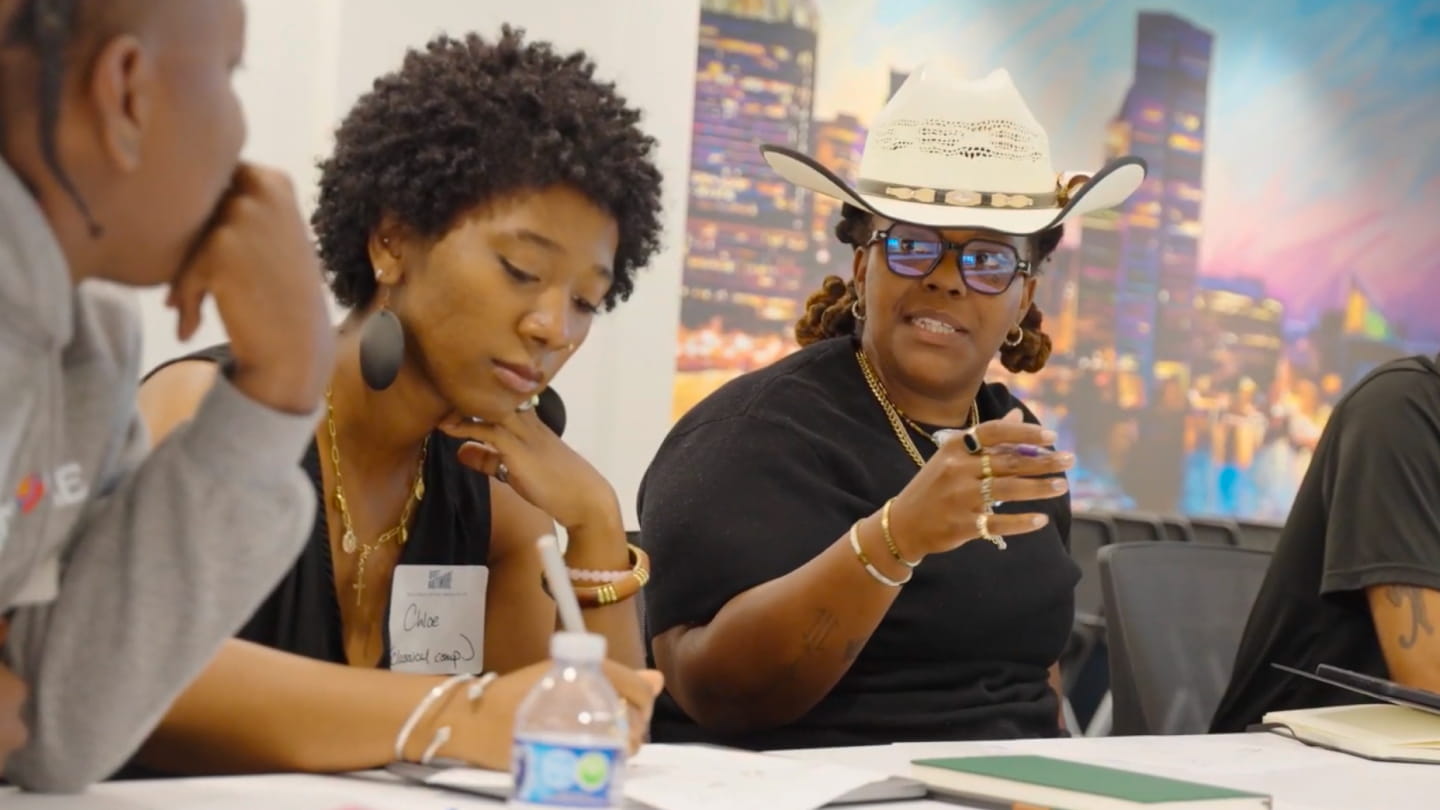
Together with Nick Wood Music, we invited Baltimore musicians across jazz, hip-hop, classical, Baltimore Club and indie into the room as co-authors of the city’s sound.
The workshop became the turning point. Asking local artists to trust an outside team came with real skepticism, and the questions were honest ones: Why us? Why now? Who gets to decide what Baltimore sounds like?
“The skepticism was real. And honestly, it should have been. That tension meant people cared.” —Benji Compston, Nick Wood Music
So we didn’t push past the tension. We listened to it. The pushback wasn’t resistance. It was pride. And that pride shaped the process from that moment forward.
SPARK and Nick Wood Music weren’t there to define Baltimore for the artists. Our role was to create the space for their voices to come together without flattening what made each one distinct.
“Our job wasn’t to tell them what Baltimore was. Our job was to listen long enough to hear it ourselves.” —Michael Higgins, SPARK
Letting Go of Creative Control
After the workshop, there was nothing left to do but wait.
There were no guarantees. Visit Baltimore had trusted a process without knowing what the final track would sound like. For a moment, everyone was holding their breath.
Then the demos arrived.
They weren’t sketches. They weren’t placeholders. They were fully realized, emotionally rich pieces of music. The artists showed up fully, collaborating with each other, pushing creatively and bringing back something no stock track ever could.
“When the demos came in, it was one of those moments where you just exhale and think, ‘Okay. This is why we trusted the process.’” —Antonio David, Nick Wood Music
From there, Nick Wood Music took on the delicate work of weaving the pieces together, preserving the individuality of each contribution while shaping one unified track.
When the final piece landed, there was no question. This was Baltimore.
Complex. Proud. Layered. Alive.
What Will Stay With Us
We didn’t just produce a campaign track. We pressed it on vinyl. A real, physical artifact the city could hold. Something that made a statement: This belongs to Baltimore.
Seeing the artists proud of what they created, watching the client move from uncertainty to belief, and knowing Baltimore had something it could stand behind, that’s the kind of work that stays with you.
“Being welcomed into that process was humbling. You don’t get opportunities like that very often.” —Benji Compston, Nick Wood Music
This was proof of what’s possible when you’re willing to let the work become something bigger than any one brief. The B-Side of Baltimore exists because two agencies took the time to meet, talk, and stay curious. Because open conversations — without an agenda — can lead somewhere real.
“This is what happens when trust leads and ego steps aside.” —Dulani Porter, SPARK
Because collaboration isn’t just a philosophy. It’s a multiplier.