


AI Didn’t Replace the Collaboration. It Demanded More of It.
“It’s going to improve everything!”
“It’s going to ruin everything!”
Whenever a new technology shows up, the conversation tends to go in one of two extremes.
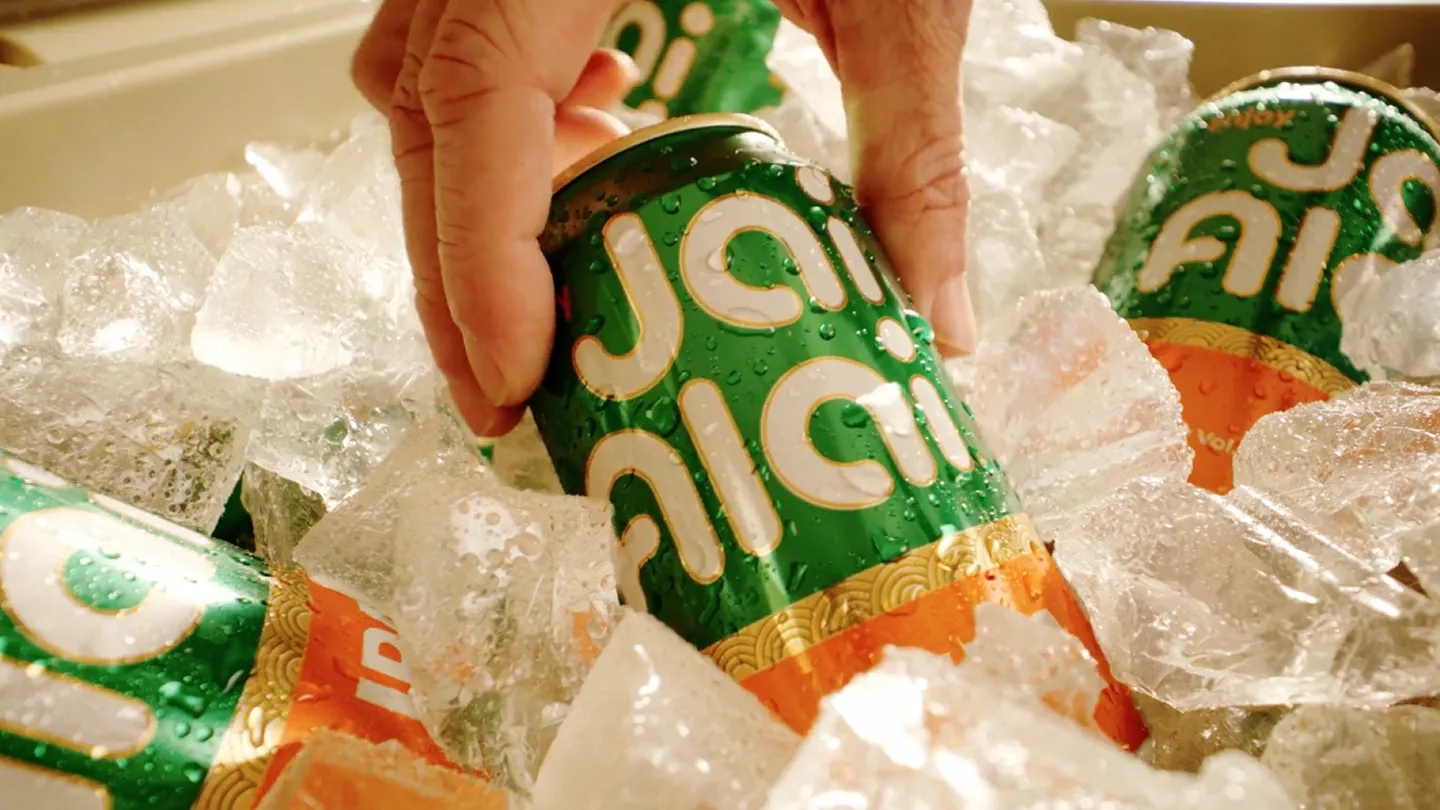
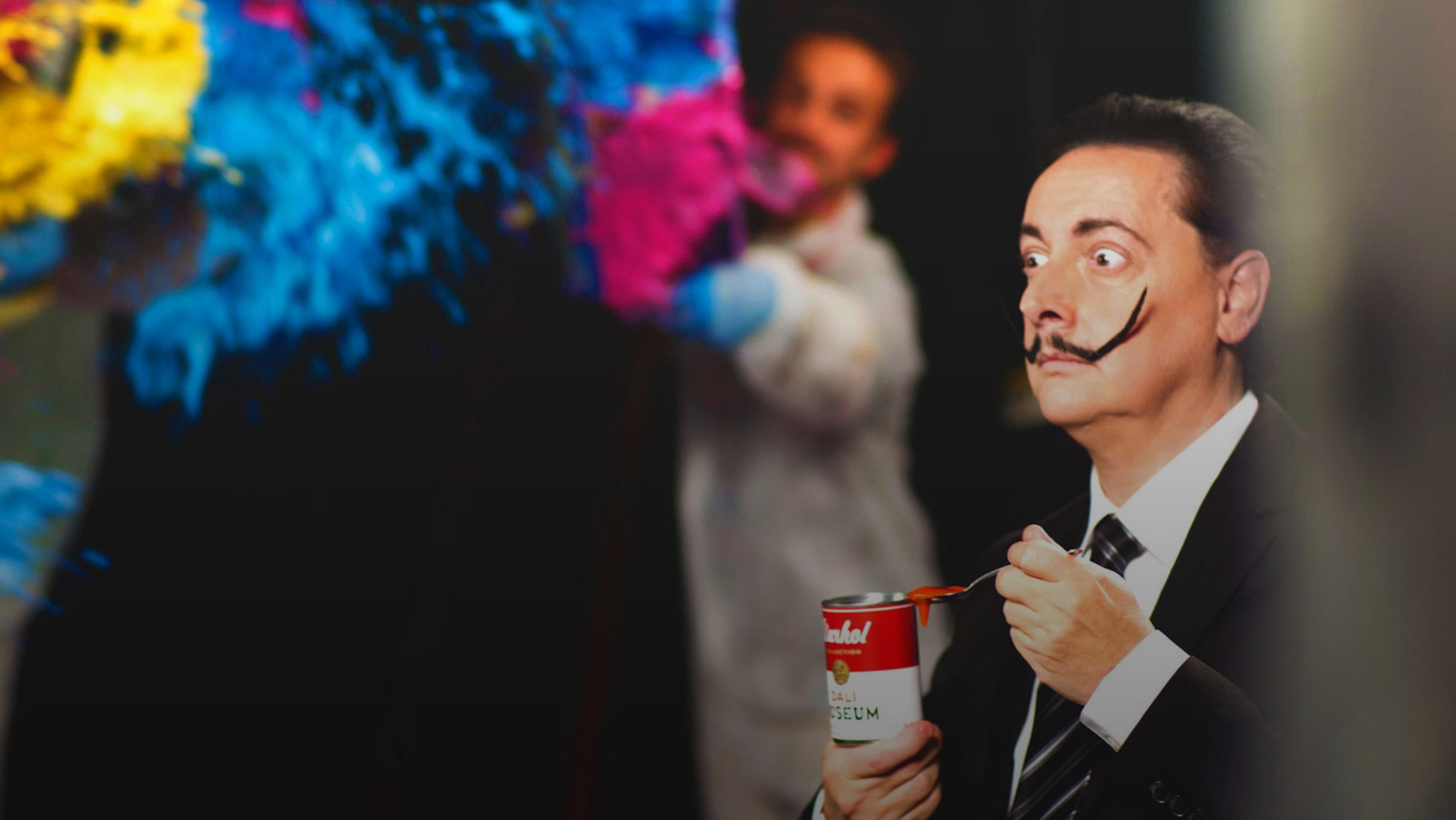
The truth is usually somewhere in the middle. That was certainly the case when SPARK and Grain & Glass came together to create the new “Find Your Balance” campaign for Cigar City Brewing’s Jai Alai IPA. The concept called for larger-than-life moments that swung between bold adventure and balanced vibes—exactly the kind of surreal storytelling that AI can help unlock. But the question wasn’t whether we could use AI.
It was whether we could use it without sacrificing the craft.
“To see if we could make something up to our standards, or really make it look as real as possible, was what excited me most,” says Michael Nielsen, founder of Grain & Glass and director of the project.
“The goal was to blend AI with real filmmaking techniques to pull off something new.” —Michael Nielsen
For SPARK, the excitement came with a healthy amount of uncertainty. “The chance to try something new was really exciting,” says Elliott Bedinghaus, VP of Creative. “It was also a little scary. We’ve always grown by putting our heads down, together, and figuring things out. This project was another example of that.”
Exploring a New Approach
As the project progressed, one thing became clear: AI wasn’t replacing the production process. It was becoming part of it. “I originally thought of AI as this separate technology we’d be adding to traditional production,” Bedinghaus says. “Grain & Glass helped shift my thinking. They approached it as one connected storytelling exercise where AI just happened to be the right tool. It’s really no different than choosing the right camera for a particular shot.”
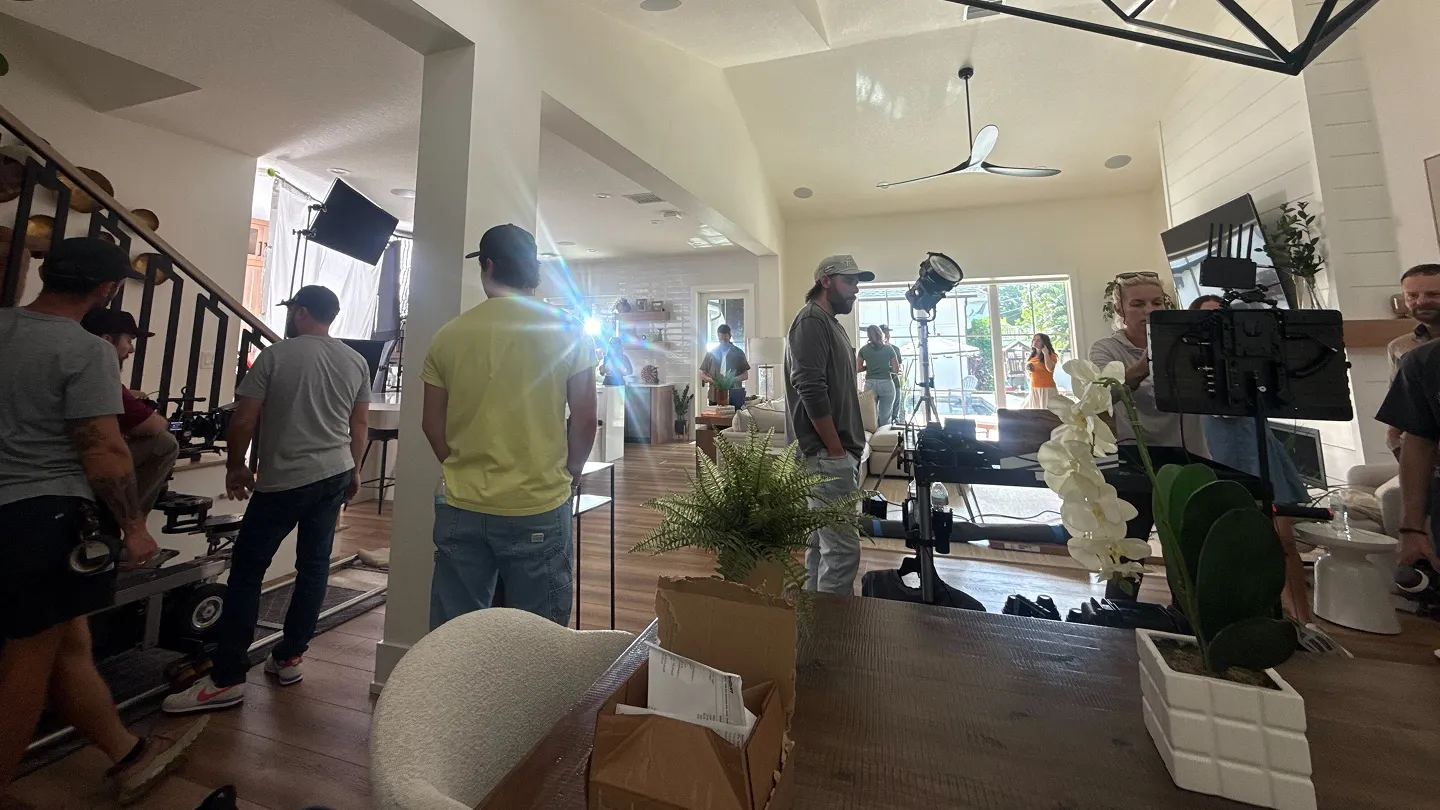
That shift changed everything. Rather than replacing practical production, AI became an extension of it. Real actors were still cast. Practical scenes were still filmed. Product shots were captured traditionally because, as Bedinghaus puts it, “We wanted to respect the craft of a Jai Alai, which shows up in the signature pour and color.” The live-action footage became the foundation that allowed the AI moments to feel believable instead of distracting.
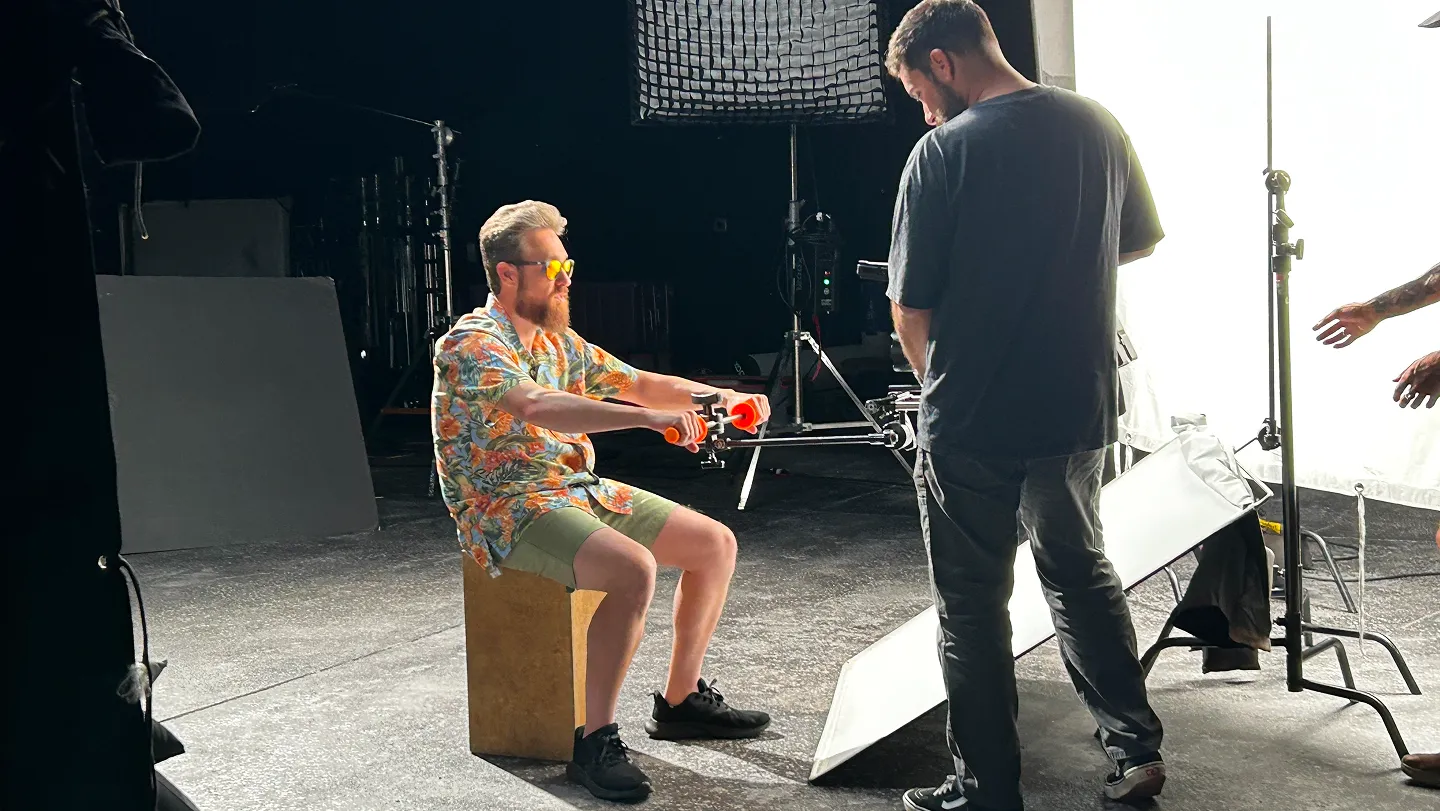
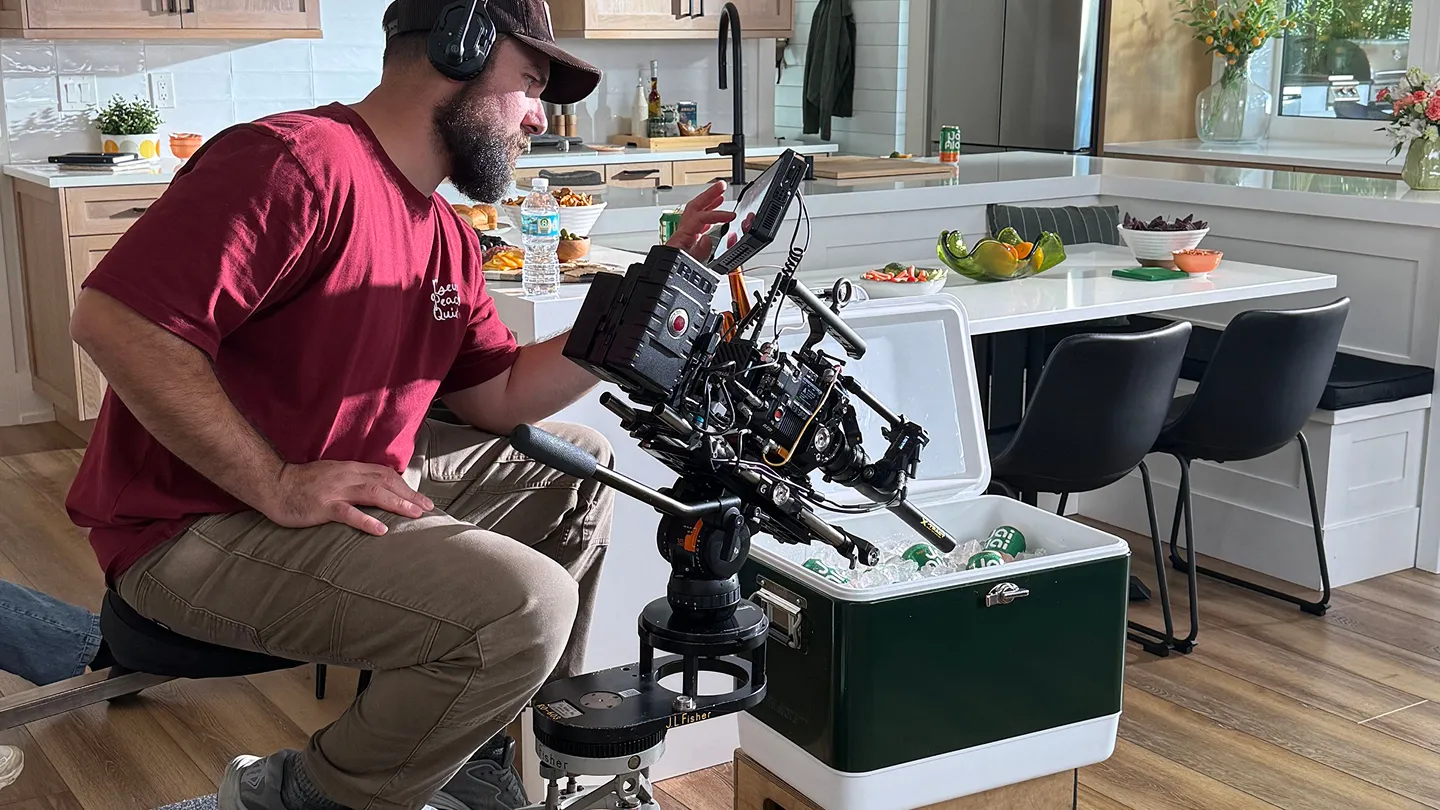
For Nielsen, that balance was intentional from the beginning. “Using practical production helps ground the spot in reality,” he says. “Hopefully viewers focus on the message and the vibe, not on the technology.”
Ironically, the more AI became part of the process, the more important collaboration became. “Every week there’s a new breakthrough tool,” Nielsen says. “Having a partner like SPARK that understands what we’re all trying to accomplish helped us move quickly and find the right approach.”
A New Kind of Collaboration
That sentiment went both ways. “There’s literally new information every day,” says Bedinghaus. “Having a strong partner meant we could lean on each other, anticipate challenges, and solve problems in real time.”
Perhaps that’s the biggest misconception about AI in creative work. People assume it makes the process easier. In reality, everyone agreed it required even more planning, communication, creative direction, and trust than a traditional production.
This may be the biggest takeaway from the project. The technology was new. The way we worked together wasn’t. Great work still comes from curious people, thoughtful collaboration, and a shared commitment to telling the best possible story.
What the Process Revealed
The tools will keep changing. The importance of collaboration probably never will.