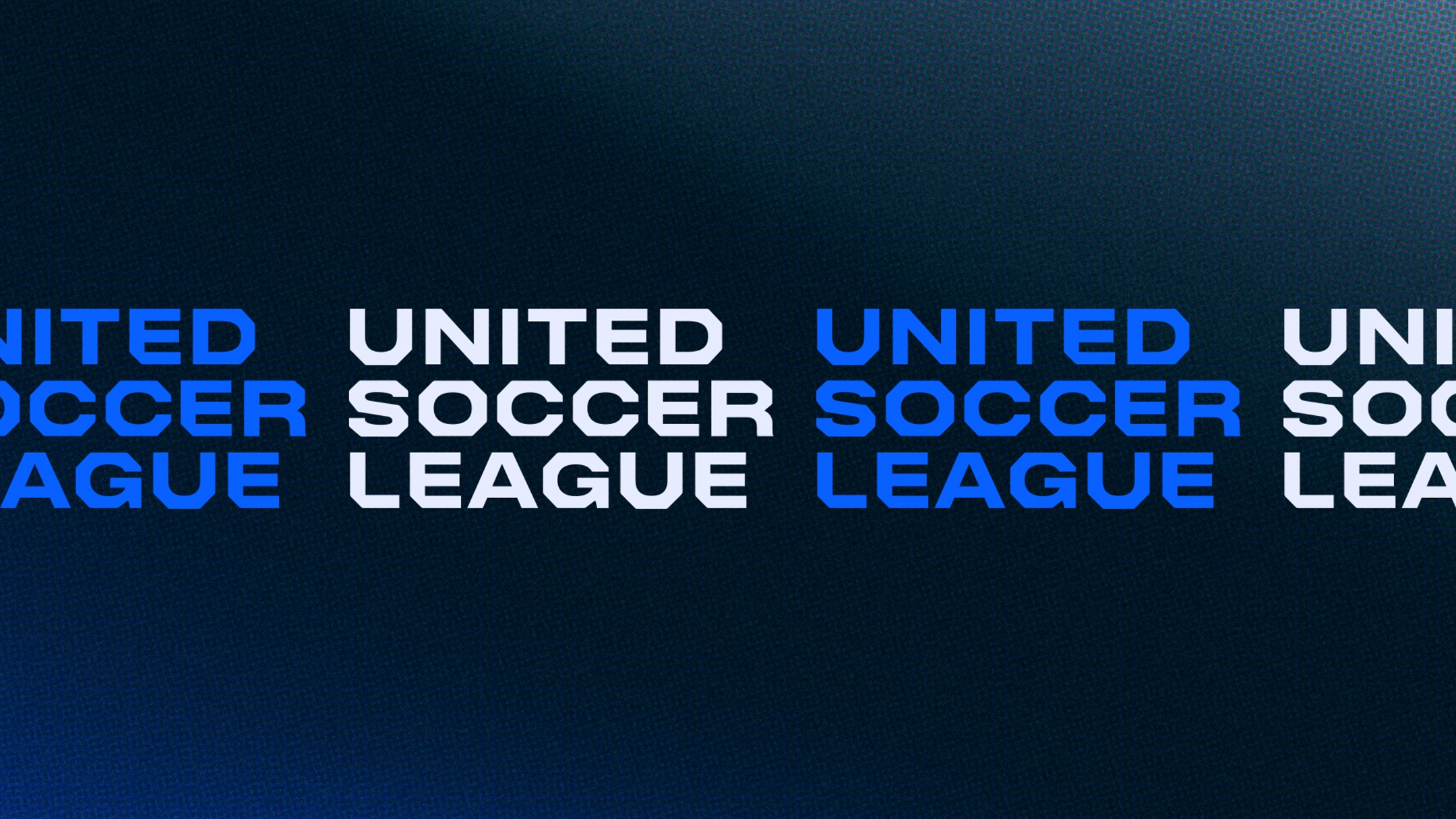



To Build an American Soccer Brand, We Looked Beyond America
When SPARK began working with United Soccer League on its new brand, we knew we were building something distinctly American. To do it well, we needed to understand the game beyond America.
USL’s plans to grow the sport and introduce promotion and relegation gave the project a connection to soccer cultures around the world. We wanted to hear from people who had grown up with those traditions and could help us understand what fans valued about them.
So, we called some friends.
Through SPARK’s membership in Worldwide Partners, Inc. (WPI), we tapped agency leaders across different countries throughout the branding process. Many were lifelong soccer fans, able to respond to the work with both professional experience and a personal stake in the game.
“The question USL was trying to answer wasn’t really about soccer, it was about culture,” says John Harris, CEO of Worldwide Partners. “WPI gave SPARK access to agency leaders who live and breathe those football cultures every day while also thinking strategically about brands and consumer behavior.”
Don’t Americanize What Makes the Game Great
Promotion and relegation is, quite literally, a foreign concept to many American sports fans. We considered adapting league-level names and even questioned whether to use the term itself. Our international partners urged us to trust that Americans could learn what much of the world already knew.
“The strongest message was surprisingly consistent across countries: don’t try to reinvent promotion and relegation for an American audience,” Harris says. “If USL wants to be taken seriously as part of the global football ecosystem, the recommendation was to embrace the authenticity of the model rather than dilute or over-explain it.”
Unfamiliarity was a reason to introduce the tradition with confidence. Changing it for Americans risked losing some of what made it worth bringing here.
“What struck me was how unanimous the reaction was across markets,” he says. “Whether someone was from Europe, Latin America, Asia, or elsewhere, they described promotion and relegation with genuine passion because they’ve experienced both the exhilaration and heartbreak that comes with it.”

When a Favorite Direction Didn’t Hold Up
We returned to WPI partners as the identity developed. Some of the most useful feedback concerned a direction our own team particularly liked.
It was energetic and trendy. That made it appealing in the moment, but it prompted a longer view: would the same qualities date it in a couple of years? And if they did, how much would need to change across USL’s network of leagues?
For an organization of that size, a short-lived identity would create a substantial burden. The feedback helped us separate the excitement of a presentation from the demands of using a brand for years.
Other directions raised questions about who would feel included. One leaned toward a sophisticated, almost European sensibility. Another felt too young. A third depended too heavily on knowledge that a dedicated soccer fan might take for granted.
We needed an identity with enough character to stand out and enough range to welcome people still finding their way into the sport.
“These weren’t traditional focus group participants,” Harris says. “They were marketers who understand brand building, consumer behavior, and communications strategy, but who also happen to be lifelong football supporters. They could explain not only what they believed as fans, but why those beliefs exist.”
Their explanations made the feedback useful. A concern about a passing trend called for a different response than one about an audience we might leave out.
We could also return to the group as the work evolved. That gave us a way to assess whether a new direction addressed an earlier concern, and to hear how choices about color, iconography, and the wider system might land outside our own experience of American soccer.
An American Identity With a Shared Vocabulary
USL still needed to look and feel like itself. International input helped us distinguish between conventions we could challenge and traditions worth carrying forward.
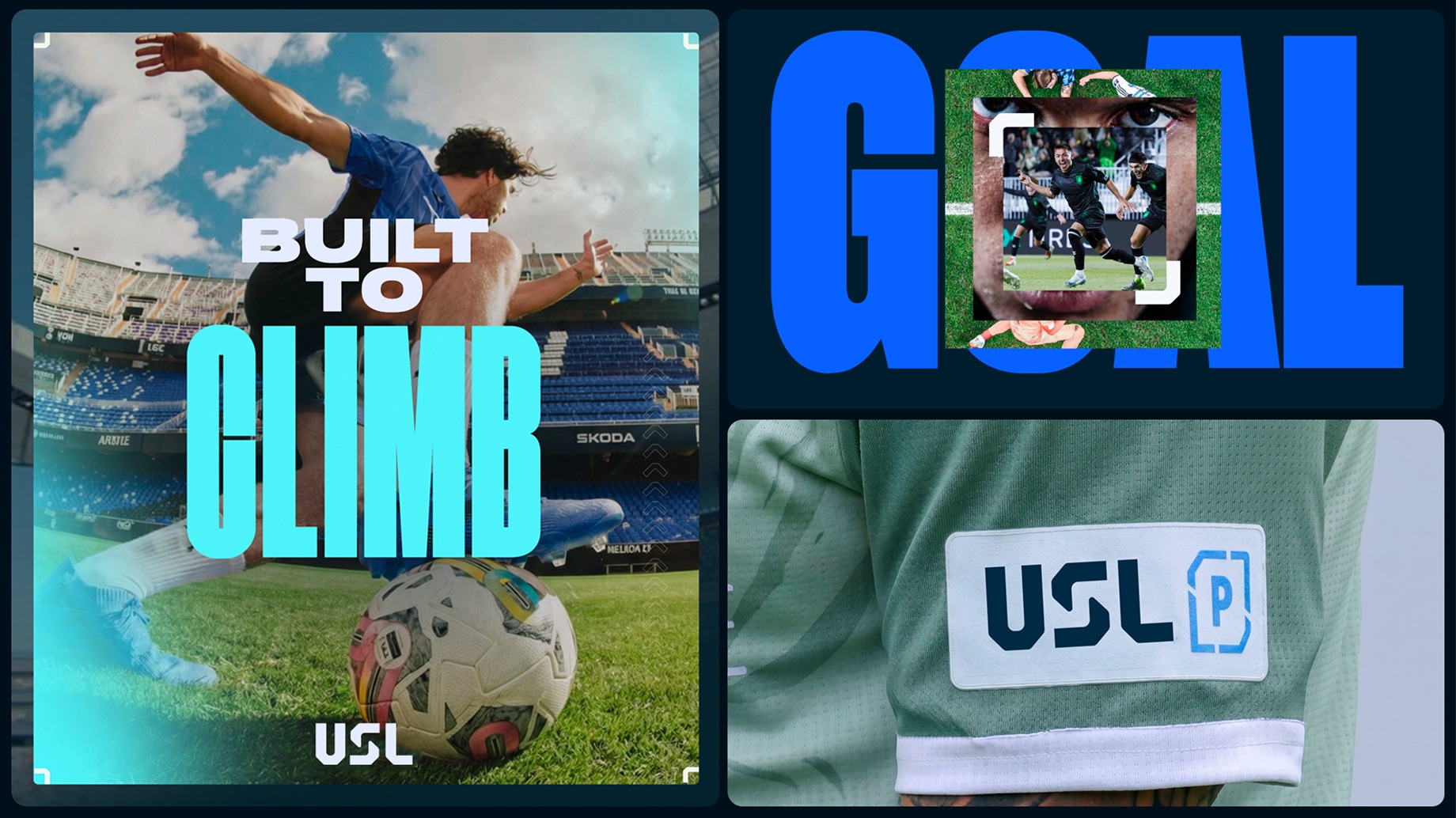
We moved away from another sports crest, a format already used by many clubs. Promotion and relegation became part of the mark itself: a stair step in the negative space of the S alludes to movement through the system. The shape extends into supporting elements that communicate changes within the leagues.
“This is exactly the kind of opportunity that demonstrates what a modern agency network should be,” Harris says. “It’s not just geographic coverage, but rather immediate access to local intelligence, diverse perspectives, and experienced practitioners who help agencies solve problems they couldn’t solve alone.”
For our team, the value showed up in concrete choices: reconsidering a favorite direction, questioning who an identity might leave out, and resisting the urge to rename something simply because it was new to Americans.
The conversations helped us build an American brand with a better understanding of the game it belongs to. That understanding will matter as USL introduces more fans to a tradition others have followed for generations.